
What is Dialectical Behavioral Therapy (DBT)? A Beginner’s Guide
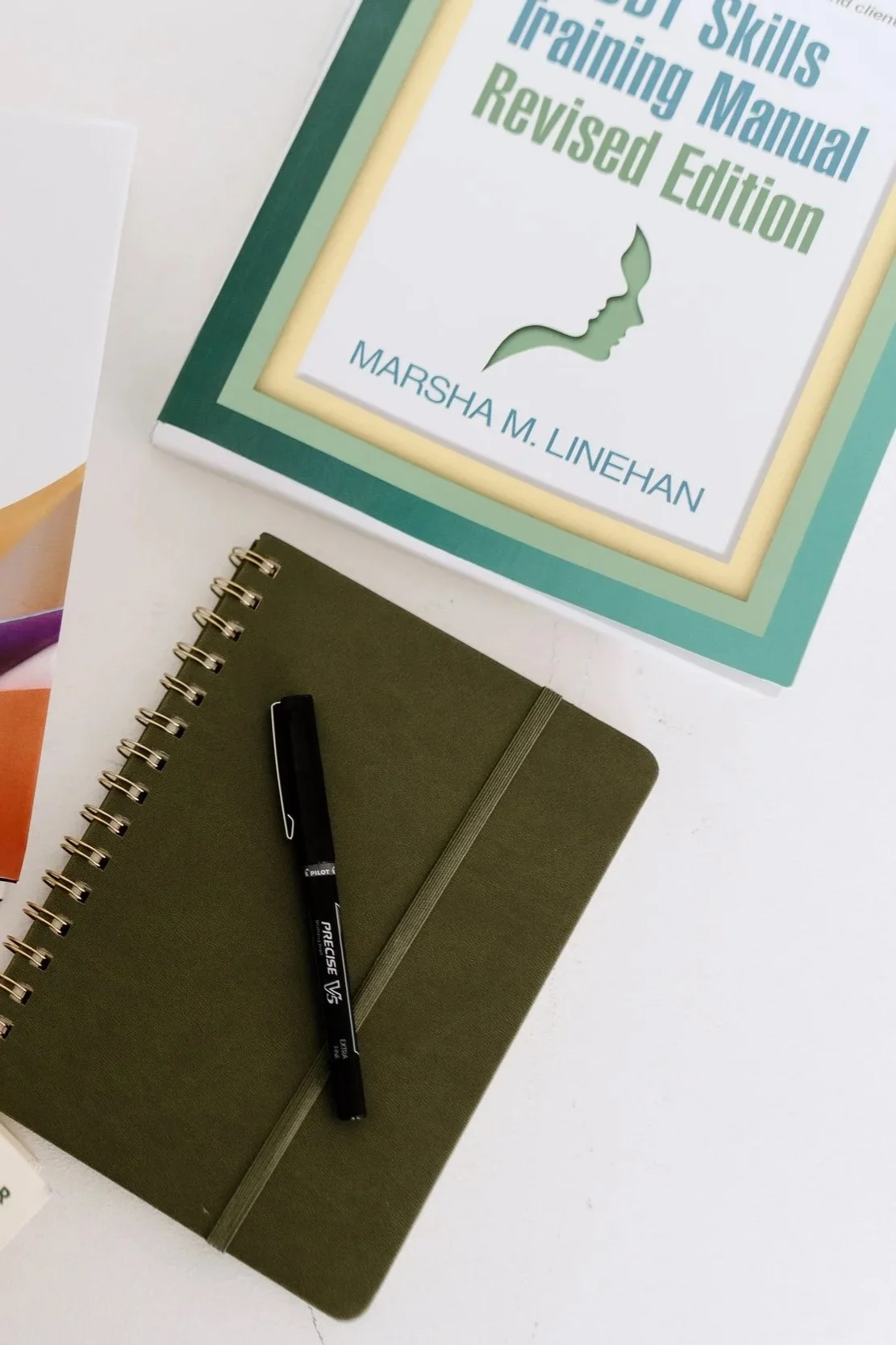
QUICK ANSWER:
What is Dialectical Behavior Therapy (DBT)?
Dialectical Behavior Therapy (DBT) is an evidence-based form of psychotherapy that teaches practical skills for managing emotions, coping with stress, improving relationships, and balancing acceptance with meaningful change. DBT is commonly used to treat anxiety, OCD, ADHD, eating disorders, and other mental health concerns.
If you've ever felt like your emotions seem to take over, struggled to cope with overwhelming stress, or found yourself reacting in ways that don't align with the person you want to be, you're not alone.
Dialectical Behavior Therapy (DBT) is a practical, skills-based approach that helps people better understand their emotions, respond to difficult situations more effectively, and build a life that feels more balanced and fulfilling.
Although DBT was originally developed to treat individuals with significant emotion dysregulation, it is now used to help people experiencing anxiety, OCD, ADHD, eating disorders, depression, trauma, and many other mental health concerns.
If you're considering therapy and wondering whether DBT might be a good fit, this guide will explain what it is, how it works, and what you can expect.
What Is DBT?
Dialectical Behavior Therapy (DBT) is a structured, evidence-based form of psychotherapy that combines acceptance with meaningful change. Rather than trying to eliminate difficult emotions, DBT teaches practical skills that help people understand their emotions, navigate stress more effectively, improve relationships, and respond intentionally instead of reacting automatically.
DBT was developed by psychologist Marsha Linehan in the late 1980s and has since become one of the most well-researched treatments for emotion dysregulation.
Today, DBT is used far beyond its original purpose and has been adapted to help people with anxiety disorders, OCD, ADHD, eating disorders, depression, trauma, and other mental health concerns.
What Does "Dialectical" Mean?
The word "dialectical" can sound intimidating, but the concept is actually quite simple.
A dialectic means that two things that seem opposite can both be true at the same time.
For example:
You can accept yourself while still wanting to grow.
You can feel anxious and still choose to do something courageous.
You can love someone while also feeling frustrated with them.
Many of us naturally fall into "all-or-nothing" thinking, especially when we're stressed. DBT helps us learn that two truths can exist together, allowing for greater flexibility, self-compassion, and resilience.
The Four DBT Skill Modules
DBT is built around four groups of practical skills that work together to improve emotional well-being.
Mindfulness
Mindfulness is the foundation of DBT.
Rather than trying to "clear your mind," mindfulness teaches you to notice your thoughts, emotions, and physical sensations without immediately judging or reacting to them.
This helps people become less controlled by anxiety, intrusive thoughts, and overwhelming emotions.
Distress Tolerance
Life includes painful moments that can't always be solved immediately.
Distress tolerance skills help you get through difficult situations without making them worse through impulsive behaviors, avoidance, or unhealthy coping strategies.
These skills might include grounding exercises, self-soothing techniques, distraction strategies, and learning to practice radical acceptance.
Emotion Regulation
Many people were never taught how emotions work.
Emotion regulation skills help you:
understand what you're feeling
identify emotional triggers
reduce emotional vulnerability
respond thoughtfully instead of reacting automatically
The goal isn't to stop having emotions—it's to learn how to experience them without feeling controlled by them.
Interpersonal Effectiveness
Healthy relationships require skills that many of us were never explicitly taught.
DBT helps people learn how to:
communicate clearly
ask for what they need
establish healthy boundaries
say no without excessive guilt
strengthen relationships while maintaining self-respect
These skills can be especially helpful for people who struggle with people-pleasing, conflict avoidance, or fear of disappointing others.
Who Can Benefit from DBT?
Although DBT is often associated with one specific diagnosis, it has been shown to benefit people with a wide range of mental health concerns.
Research has found DBT to be effective across multiple populations, and it continues to be one of the most widely studied behavioral therapies available.
The American Psychological Association recognizes DBT as one of many evidence-based treatments used to address emotional and behavioral difficulties.
DBT for Anxiety
DBT can help individuals who experience excessive worry, panic, perfectionism, emotional overwhelm, or chronic stress by teaching skills that increase emotional flexibility and resilience.
DBT for OCD
Exposure and Response Prevention (ERP) remains the gold-standard treatment for OCD. However, DBT can complement ERP by helping individuals tolerate uncertainty, regulate difficult emotions, and remain engaged during exposure exercises.
DBT for ADHD
Many individuals with ADHD struggle not only with attention and executive functioning, but also with emotional regulation.
DBT can help improve frustration tolerance, impulsivity, emotional awareness, and interpersonal relationships.
DBT for Eating Disorders
DBT is commonly incorporated into treatment for binge eating disorder, bulimia nervosa, and other eating disorders because it teaches healthier ways to cope with difficult emotions without relying on disordered eating behaviors.
DBT for Children and Teens
Children and adolescents can also benefit from learning DBT skills.
These practical tools can help young people improve emotional regulation, strengthen friendships, communicate more effectively, and build confidence navigating life's challenges.
What Happens During a DBT Session?
DBT sessions are highly collaborative and practical.
Depending on your goals, sessions may include:
reviewing situations from the previous week
identifying patterns that keep you feeling stuck
learning a new coping skill
practicing that skill together
creating a plan for applying it in daily life
In my practice, I integrate DBT with other evidence-based approaches including CBT, ERP, psychodynamic therapy, and nutrition-informed care so treatment is individualized to each person's needs.
DBT vs. CBT
Both Cognitive Behavioral Therapy (CBT) and Dialectical Behavior Therapy (DBT) are evidence-based treatments, but they emphasize different skills.
CBT primarily focuses on identifying and changing unhelpful thoughts and behaviors.
DBT builds upon many CBT principles while adding skills for emotion regulation, distress tolerance, mindfulness, and interpersonal effectiveness.
Rather than choosing one approach over another, many therapists integrate both depending on each client's unique needs.
Frequently Asked Questions
-
Yes.
More than three decades of research have demonstrated that DBT is effective for a variety of mental health concerns and age groups.
If you'd like to learn more about the research behind DBT, Behavioral Tech provides an excellent overview of the treatment, its history, and the evidence supporting its effectiveness.
-
No.
Although DBT was originally developed for Borderline Personality Disorder, it is now used to help people experiencing anxiety, OCD, ADHD, eating disorders, depression, trauma, and many other concerns.
-
The answer depends on your goals.
Some people benefit from learning individual DBT skills over several months, while others participate in comprehensive DBT programs that include individual therapy, skills training groups, and between-session coaching.
-
Absolutely.
Many therapists integrate DBT with CBT, ERP, Acceptance and Commitment Therapy (ACT), psychodynamic therapy, and other evidence-based approaches to create an individualized treatment plan.
Is DBT Right for You?
If you're feeling overwhelmed by intense emotions, struggling with anxiety, finding it difficult to navigate relationships, or looking for practical coping skills you can use in everyday life, DBT may be an excellent fit.
Therapy isn't about becoming a different person. It's about building the skills to respond to life's challenges with greater confidence, flexibility, and self-compassion.
If you're looking for an anxiety, OCD, ADHD, or eating disorder therapist in Central Florida, I'd be honored to help.
Sources
The information in this article is based on current research and evidence-based clinical practice. If you'd like to learn more about DBT, these resources provide reliable, evidence-based information:
• Behavioral Tech – Official organization founded by Marsha Linehan to train mental health professionals in DBT.
• American Psychological Association – Information on evidence-based psychotherapy and mental health treatment.
• International OCD Foundation – Resources on Exposure and Response Prevention (ERP) and OCD treatment.
• Linehan, M. M. (1993). Cognitive-Behavioral Treatment of Borderline Personality Disorder. Guilford Press.
