
Generalized Anxiety & Panic Therapy in Maitland & Longwood, Florida
When anxiety is always running in the background, even everyday life can feel exhausting. Whether you're constantly overthinking, anticipating the worst, experiencing panic attacks, or feeling like your mind never truly slows down, therapy can help you feel more grounded, confident, and present.

What is anxiety therapy?
Anxiety is more than everyday stress or occasional worry. It can affect the way you think, feel, make decisions, and move through daily life. For some people, anxiety shows up as constant overthinking or difficulty relaxing. For others, it may involve panic attacks, perfectionism, physical symptoms, or avoiding situations that feel overwhelming.
Therapy helps you better understand these patterns while developing practical skills to respond differently. Rather than trying to eliminate anxiety altogether, our work focuses on helping you build confidence, flexibility, and trust in your ability to handle life's uncertainties.
Who I Help
✓ Teens
✓ Adults
✓ College Students
& Young Adults
✓ Children
Does This Sound Familiar?
⇾ Constant overthinking
⇾ Feeling “on edge”
⇾ Difficulty relaxing
⇾ Trouble falling or staying asleep due to racing thoughts
⇾ Panic attacks
⇾ Avoidance of situations
⇾ Mental exhaustion
⇾ Physical symptoms like racing heart, nausea, dizziness, tension

Understanding the Patterns Beneath the Surface
Anxiety isn't a sign that you're weak or "too sensitive." It's your brain trying to protect you from perceived danger, uncertainty, or discomfort. While this alarm system is designed to keep us safe, it can sometimes become overactive, making everyday situations feel threatening even when you're not actually in danger.
Many people naturally respond by trying to gain certainty, prepare for every possible outcome, or avoid situations that trigger anxiety. While these strategies often provide temporary relief, they can unintentionally keep anxiety going over time.
Therapy helps you better understand these patterns while building the confidence to tolerate uncertainty, respond differently to anxious thoughts, and reconnect with the parts of life that anxiety has been limiting.
How Therapy Can Help
Therapy can help you:
Feel less controlled by worry and overthinking
Respond differently to anxious thoughts
Build confidence in your ability to cope with uncertainty
Reduce panic symptoms and fear of future panic attacks
Develop healthier coping strategies that actually work long-term
Feel more present, connected, and engaged in everyday life
My Approach
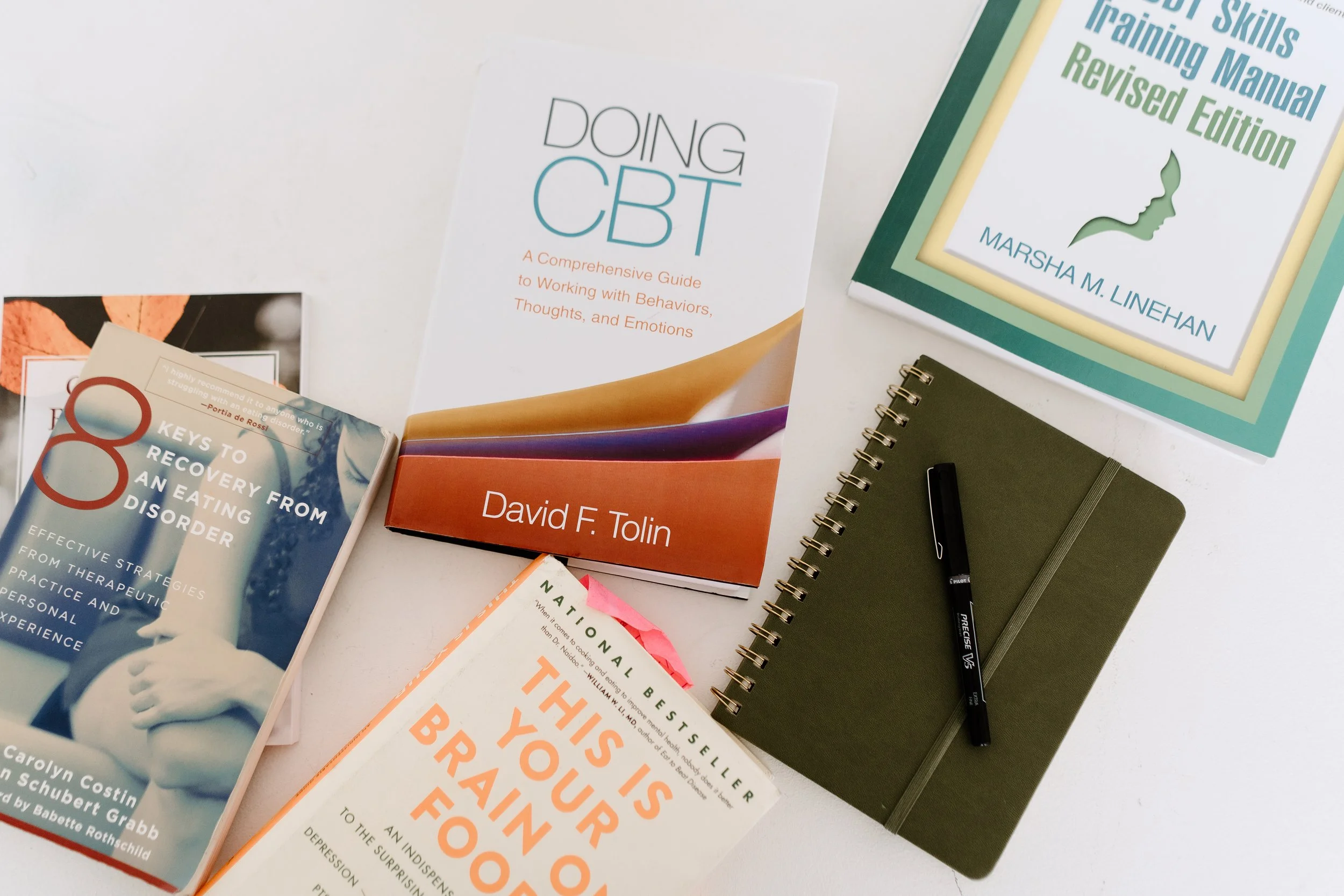
I take a warm, collaborative, and evidence-based approach to treating anxiety. Depending on your individual needs, therapy may include Cognitive Behavioral Therapy (CBT), Dialectical Behavior Therapy (DBT), Exposure and Response Prevention (ERP), and insight-oriented therapy.
Rather than focusing on avoiding anxiety or making it disappear completely, we'll work together to better understand your patterns, build practical coping skills, and help you respond to anxiety in ways that allow you to live more fully.
Frequently Asked Questions
-
While occasional anxiety is a normal part of being human, persistent worry, panic, or feeling constantly on edge may be signs that anxiety has become more than everyday stress. Therapy can help you better understand what you're experiencing and develop strategies to manage it more effectively.
-
Yes. Panic attacks are highly treatable. Together, we'll explore what contributes to your panic symptoms and gradually build the skills and confidence to respond differently when anxiety arises.
-
Yes. I work with children, teens, and adults experiencing anxiety and panic. Therapy is tailored to each person's developmental stage, and parents or caregivers are involved when appropriate.
-
The goal isn't to eliminate anxiety completely. Anxiety is a normal human emotion. Therapy helps reduce the intensity and impact of anxiety so it no longer controls your decisions, relationships, or quality of life.
-
Yes. I provide both in-person therapy in Maitland & Longwood and secure virtual therapy for clients throughout Florida.
-
Absolutely. Recovery doesn't mean you'll never feel anxious again. It means anxiety no longer dictates how you live your life. With evidence-based therapy, many people experience significant relief, greater confidence, and a renewed sense of freedom.
Take the first step towards healing.
Whether you've been living with anxiety for years or have only recently begun noticing these patterns, you don't have to navigate them alone. Therapy offers a space to better understand your experiences, develop practical tools, and move toward a life that feels calmer, more connected, and guided by your values rather than your fears.