


ADHD in High-Achieving Women: When Success Masks the Struggle
Doing well doesn’t always mean things feel manageable. For high-achieving women with ADHD, success can hide difficulties with organization, time management, and everyday responsibilities. Explore why ADHD can go unrecognized, how anxiety and perfectionism fit in, and how therapy can help.
The Difference Between Validation and Reassurance
When someone is anxious, reassurance can feel like the kindest response. Learn when it helps, when it becomes part of an anxiety or OCD cycle, and how to offer validation instead.
What Are Mental Compulsions? OCD Symptoms You Might Not Recognize
Mental compulsions are invisible OCD rituals such as reviewing, analyzing, checking feelings, neutralizing thoughts, and reassuring yourself. Learn how to recognize these hidden compulsions and understand how ERP can help break the OCD cycle.
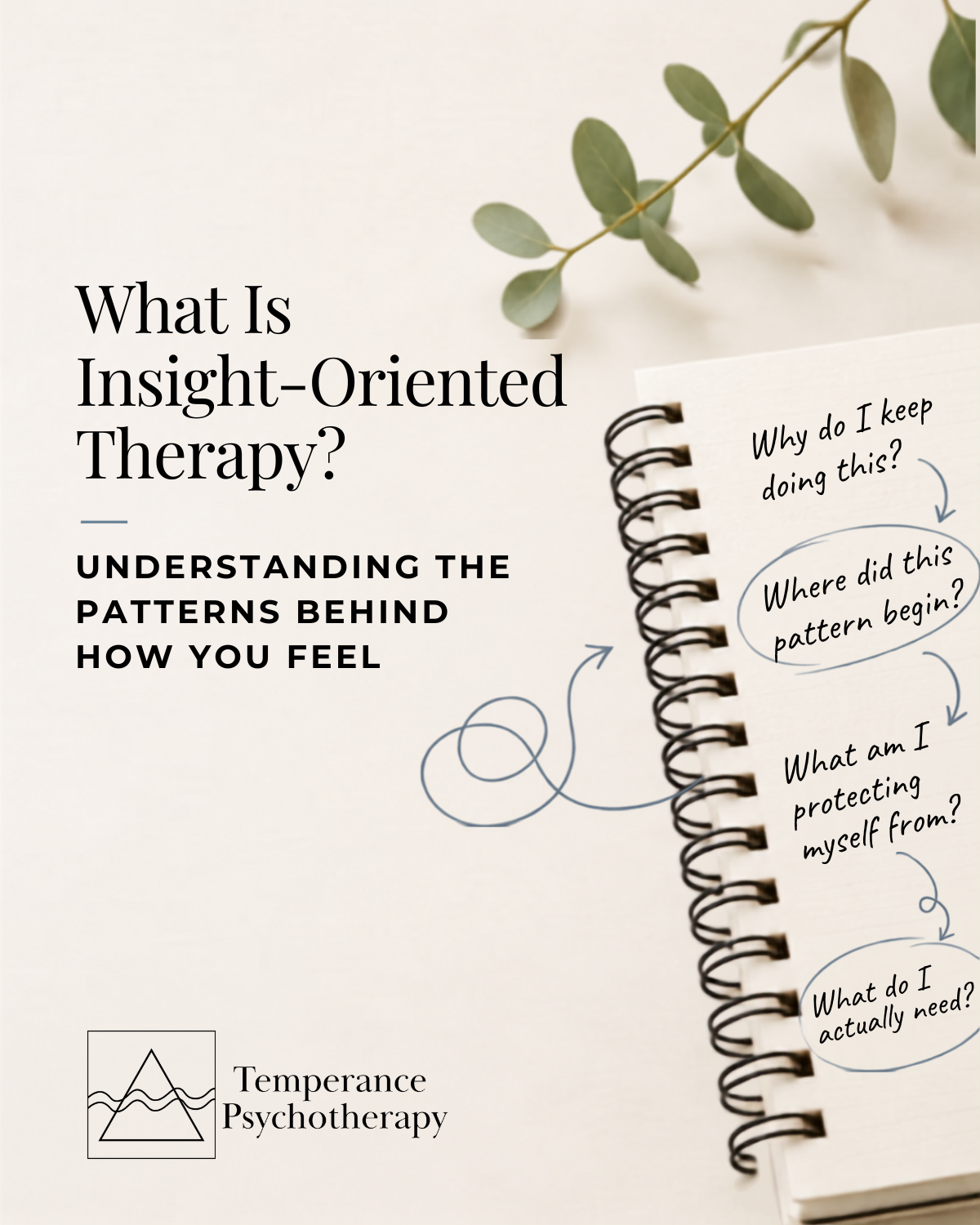
What Is Insight-Oriented Therapy? Understanding the Patterns Behind How You Feel and Respond
Insight-oriented therapy helps you understand the deeper patterns, past experiences, and beliefs influencing how you feel and respond today. Learn what this approach looks like, who it can help, and how greater self-awareness can lead to meaningful change.
What Is Acceptance and Commitment Therapy (ACT)? A Beginner’s Guide
Acceptance and Commitment Therapy (ACT) is an evidence-based approach that helps you stop fighting difficult thoughts and feelings and start building a life guided by what matters to you. Learn how ACT uses acceptance, mindfulness, values, and committed action to build psychological flexibility.
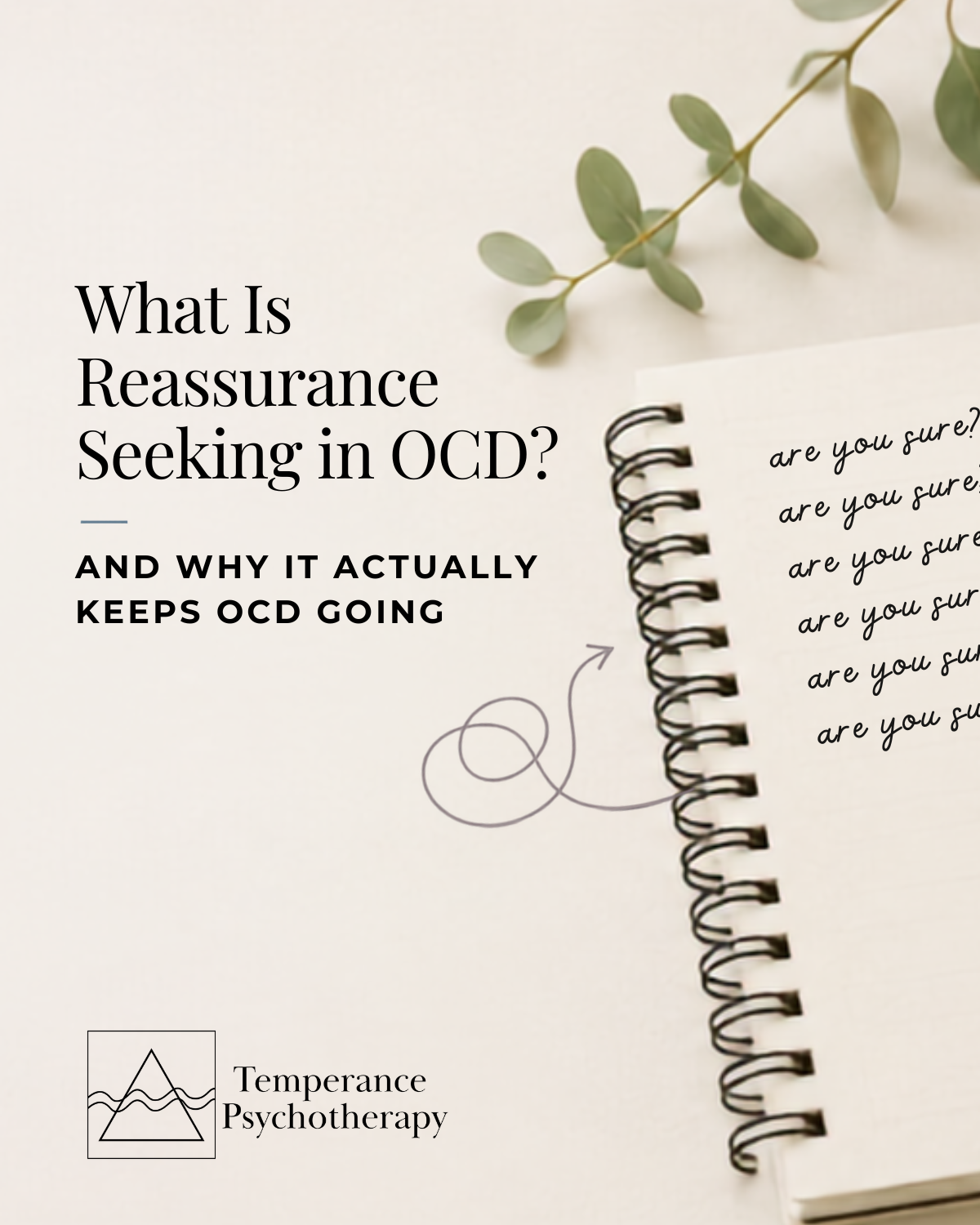
What Is Reassurance Seeking in OCD? (And Why It Actually Keeps OCD Going)
Reassurance seeking is one of the most common compulsions in OCD, yet many people don't realize that's what they're experiencing. Learn why reassurance temporarily reduces anxiety, how it unintentionally keeps OCD going, and what recovery can look like with evidence-based treatment.